When nights cool, roof rats and house mice move toward warmth — attics, wall voids, garages, and under-sink cabinets. A quarter-inch gap is all a mouse needs. Trapping alone is a treadmill; the durable fix is finding and sealing the entry points so the next one can't get in.
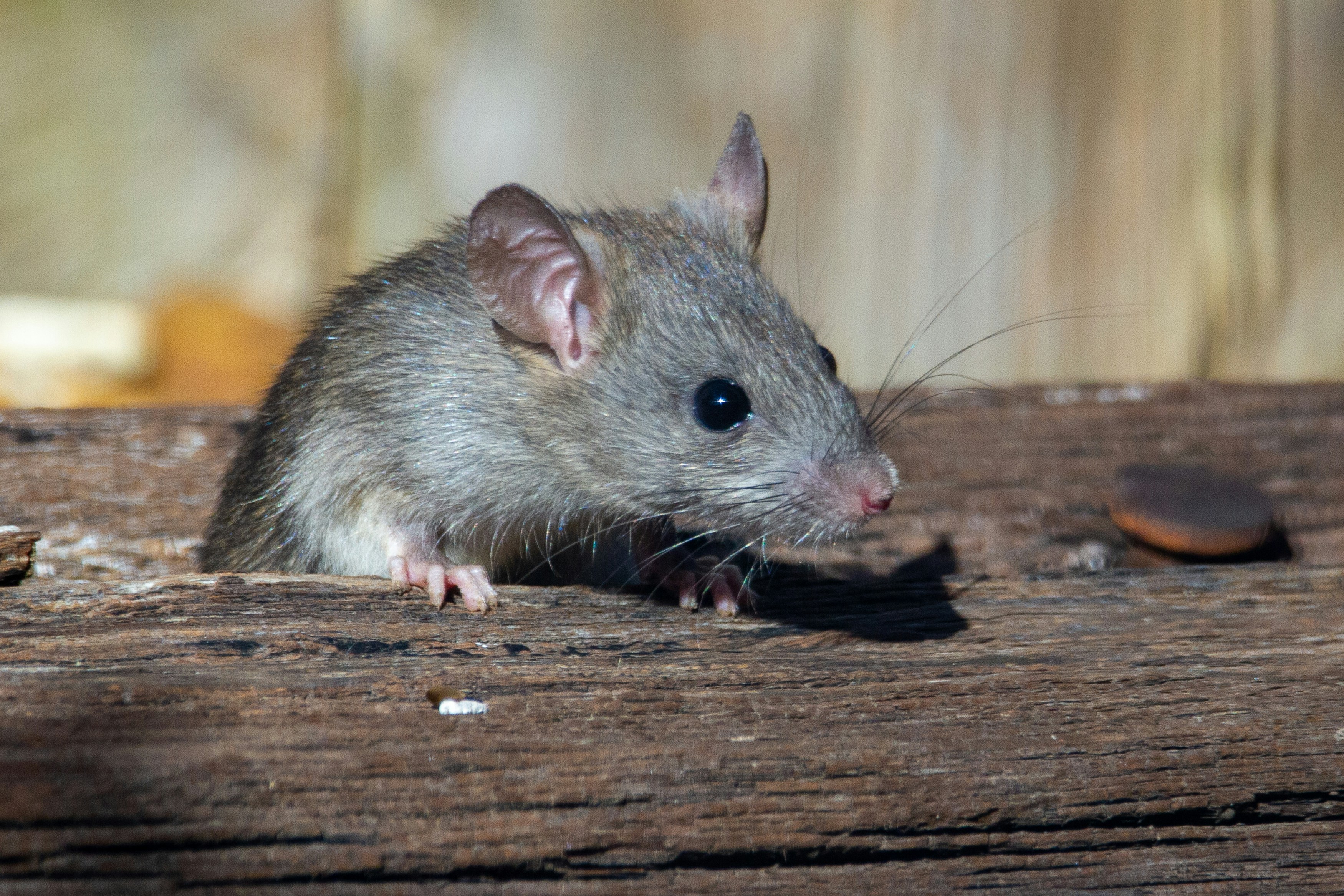
Signs to look for
Droppings along baseboards, in the pantry, or on top of cabinets
Gnaw marks on food packaging, wiring, or wood trim
Scratching or scampering sounds in the attic or wall voids at night
A greasy rub mark along a wall or beam where rodents travel repeatedly
How [Your Business] treats it
Trap the active population inside the structure
Walk the full exterior to identify entry points — roofline gaps, weep holes, utility penetrations, garage corners
Seal every entry point found with steel mesh and sealant, since gaps as small as a quarter inch are enough for a mouse
Return for a follow-up visit to confirm traps are quiet and no new activity has started
Why they’re here
Gaps at the roofline, soffits, or where utility lines enter the home
Overhanging tree limbs or vegetation touching the roof
Pet food, birdseed, or garbage left accessible outdoors
Cluttered garages or storage areas offering nesting cover
Prevention tips
Trim tree limbs back from the roofline
Store pet food, birdseed, and garbage in sealed containers
Keep garages and storage areas decluttered
Have gaps around utility penetrations sealed before cooler weather arrives
Keep exploring
See the services we run for this pest, and where we cover it.
You might also like


Questions people ask about this pest.
How do you know which pest is actually causing the problem?
Every visit starts with an inspection, so treatment is matched to what's actually active on your property, not a guess based on the page you're reading.
Is one visit enough to get rid of it?
Are your treatments safe for pets and kids?
What if it comes back?
